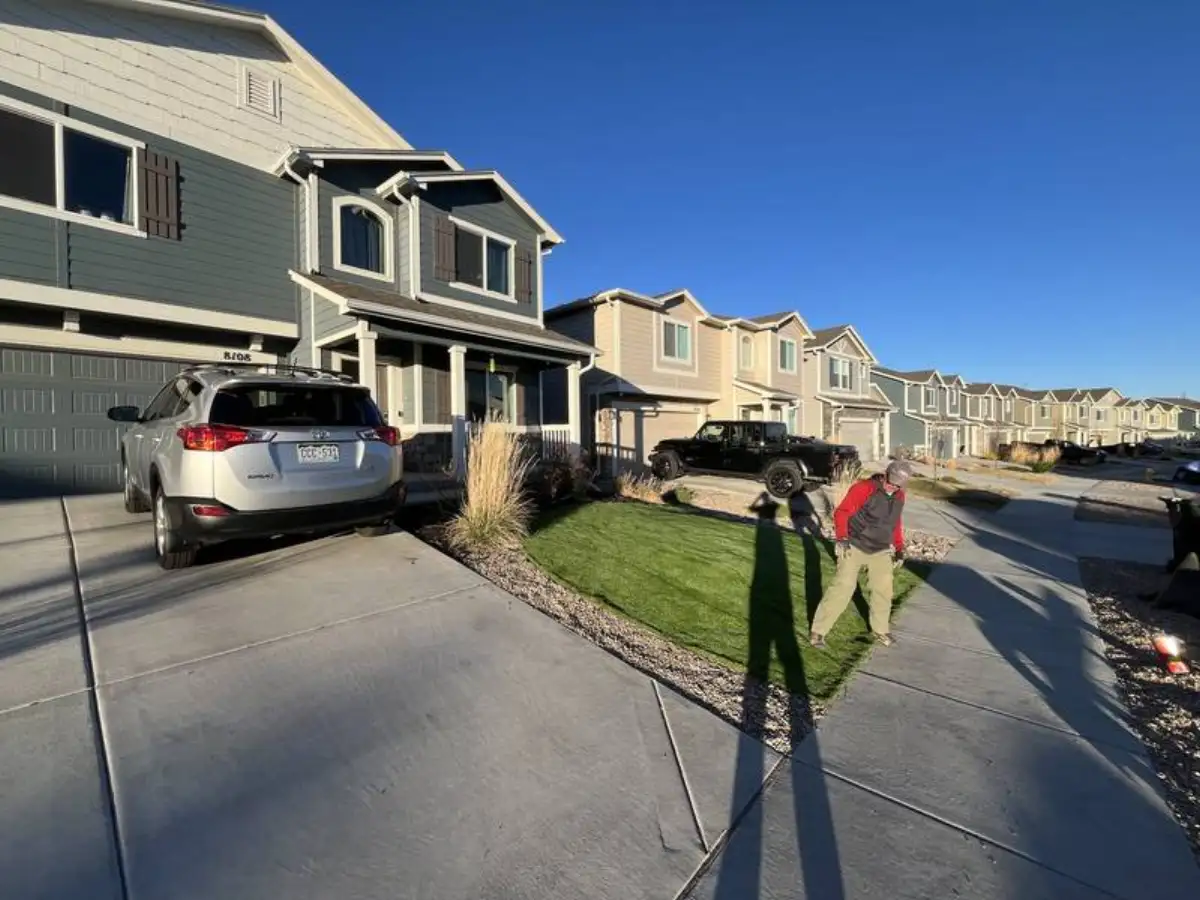
An artificial turf estimate should be based on the area being converted, the condition of the soil, water movement, intended use, product specifications, and site access. A property visit gives a contractor enough information to define the full installation instead of guessing from square footage alone.
Start With How the Turf Will Be Used
A front lawn, dog run, play area, and backyard putting green need different turf systems. General-use lawn turf emphasizes a natural blade profile and balanced resilience. Pet areas need faster drainage and an infill that supports routine cleaning. Play spaces may need impact-rated padding, while putting greens depend on precise contours and specialized short-pile turf.
Explaining traffic, pets, play equipment, shade, and maintenance expectations during the first visit helps narrow the product options before a proposal is written.
Site Preparation Sets the Foundation
Colorado Springs properties often contain compacted clay, construction debris, rock, old sod, roots, and irrigation components beneath the existing lawn. The installation plan should identify what will be removed, how deeply the area will be excavated, and how the subgrade will be shaped before base material is placed.
A level, open lawn generally requires a simpler approach than a sloped side yard with limited equipment access. Gates, stairs, fences, utility locations, and haul routes all affect how material can move through the property.
Drainage Must Match the Property
Artificial turf sheds and passes water differently from living grass. The base must direct stormwater and snowmelt away from the home, walls, and neighboring lots. Low areas, heavy clay, roof runoff, and existing drainage problems may call for additional grading or a dedicated drain beneath the turf system.
Before installation, ask where collected water will discharge and how the base will stay stable through Colorado's repeated freeze-thaw cycles.
Compare Turf and Infill Specifications
Useful proposals name the turf product, pile height, face weight, backing, warranty, infill, and intended application. Colorado's altitude makes UV stability especially important, and CN Landscaping specifies PFAS-free products that fit current Colorado requirements.
Edging also matters. Concrete curbing, metal edging, stone borders, and transitions to patios or planting beds each create a different finished edge and require different installation details.
What a Complete Turf Proposal Should Include
- Measured installation area and the limits of demolition
- Excavation depth, base aggregate, compaction, and grading
- Drainage improvements or discharge points when needed
- Turf manufacturer, product line, infill, seams, and warranty
- Edging, transitions, irrigation changes, and cleanup
- Access assumptions and protection for existing landscape features
Artificial Turf or Natural Grass?
The best choice depends on how the yard is used. Artificial turf can reduce irrigation and routine mowing in high-use areas, while natural sod offers a living surface and different summer heat characteristics. Some Colorado Springs yards work best with a mixed plan: turf where durability matters, planting or xeriscaping around the perimeter, and hardscape at primary gathering areas.
Prepare for an On-Site Estimate
Mark the area you want to convert and note any standing water, pet use, irrigation heads, utility boxes, access restrictions, or future projects nearby. CN Landscaping can then compare suitable products and document the preparation, drainage, installation, and finishing work for your property.
Explore our artificial turf installation service, call (719) 460-5685, or request a free estimate online.