
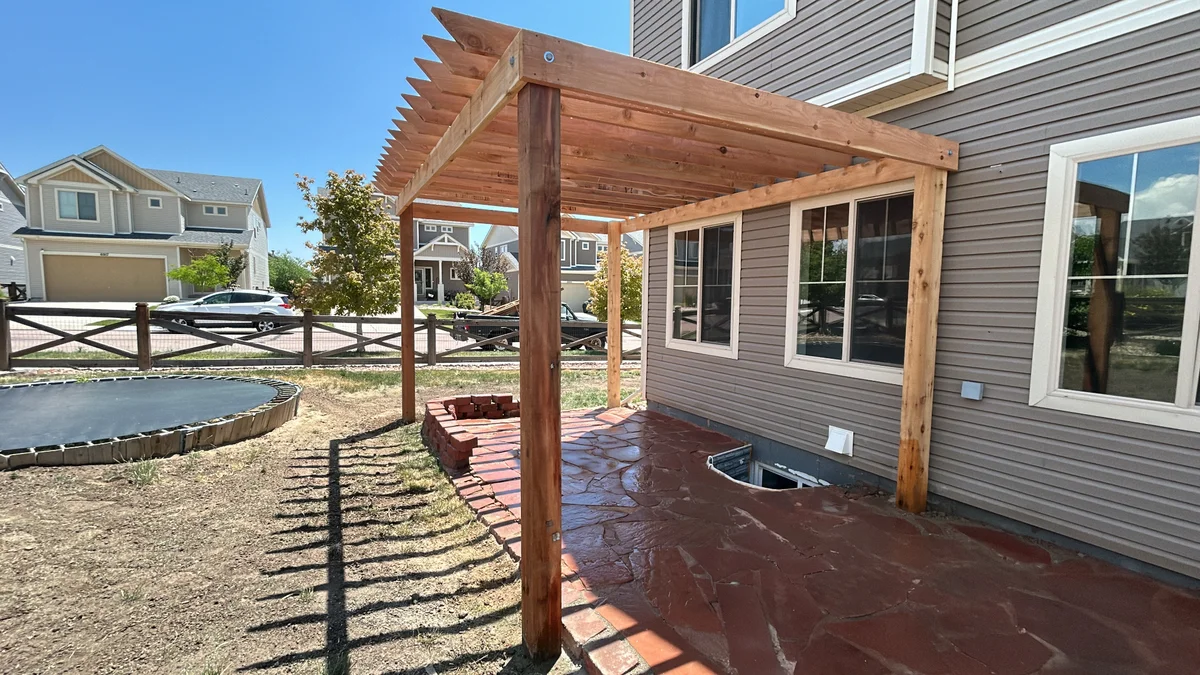
The best time to ask detailed landscaping questions is before a proposal becomes a contract. A clear discussion can show whether the plan accounts for how you use the yard, how water moves across the property, what preparation is included, and what the finished space will require after installation.
For homeowners comparing landscaping in Colorado Springs, the seven questions below create a practical checklist. They apply whether the project centers on a patio, retaining wall, new lawn, planting, irrigation, rock, lighting, or several improvements planned together.
1. What Problem Should the Project Solve First?
Start with the way the yard needs to work. You may want a level seating area, safer steps, more shade, less watering, room for children or pets, better curb appeal, or a route that no longer collects runoff. A contractor can make a more useful recommendation when the desired outcome is clear.
Separate essentials from upgrades that could wait. If today’s grading, irrigation, or access decisions could affect a future patio or planting area, include that future phase in the conversation even if it is not part of the immediate budget.
2. What Is a Reasonable Budget for This Yard?
A reasonable budget is tied to a defined result, not a universal price per square foot or a neighbor’s total. Removal, hauling, equipment access, grading, drainage, soil or base preparation, material quantities, irrigation changes, and the number of connected features can all change the scope.
Give the contractor a realistic priority order. If the full wish list is above the current budget, ask which work protects the site and which finishes can be phased. Necessary underground, drainage, or base work usually needs to happen before surfaces and plantings that would otherwise have to be disturbed later.
3. How Did You Account for This Property?
Ask what the contractor observed about slope, low spots, runoff, sun, wind, soil conditions, irrigation coverage, and side-yard access. Those details help distinguish a property-specific recommendation from a list of materials. They also affect where equipment and deliveries can enter and how the work area can remain organized.
Colorado Springs yards can face strong sun, wind, sudden storms, clay soil, and seasonal freeze-thaw movement. The effect varies by site, which is why the Colorado Springs service-area guide emphasizes planning around the actual property rather than assuming every local yard needs the same solution.
4. What Does the Written Scope Include?
A useful proposal should make the finished result and the supporting work understandable. Look for removal and hauling, layout, grading, drainage, soil or base preparation, material quantities, irrigation work, installation, cleanup, and initial care where those items apply. Ask for clarification when a selection is described as an allowance or has not been finalized.
When several features meet, confirm who is coordinating heights, edges, water movement, sleeves, and the order of installation. A coordinated landscape design and installation scope can reduce conflicts between hardscape, turf, planting, irrigation, and lighting.
5. How Should I Compare Landscaping Contractors?
Compare the thinking behind the proposal, not only the total. Ask how the plan addresses the site, what is excluded, who will be your point of contact, how changes are approved, and what happens when weather or field conditions affect the schedule. If warranties are important to your decision, ask each contractor to explain any terms in writing rather than assuming the coverage is the same.
Photos and reviews can help you evaluate style and customer experience, but the proposed work still needs to fit your property. A lower number is not automatically more affordable if it excludes preparation, disposal, irrigation changes, or another item that will be needed to complete the result you expect.
6. Is an Hourly Rate Useful for Comparing Estimates?
An hourly rate alone rarely provides an apples-to-apples comparison for landscape installation. One rate may cover a different crew size or may treat equipment, trucking, disposal, materials, and supervision differently. A small rate difference can be less important than a large difference in scope.
Compare written proposals against the same priorities. If labor is billed separately, ask what is included, how time is documented, and which costs are outside the rate. The goal is to understand the likely total and expected outcome, not to choose a single number without context.
7. What Happens Before, During, and After Installation?
Before booking, ask about material decisions, access, staging, approximate sequencing, weather delays, and any preparation expected from the homeowner. During the project, know how questions and changes will be communicated. After installation, request care guidance for each new element.
Sod, trees, shrubs, and flowers can require close watering attention while they establish. An irrigation system may need new zones or scheduling changes to support them. Rock, hardscape, retaining walls, landscape lighting, and artificial turf each have different inspection, cleaning, or seasonal care considerations, so aftercare should match what was installed.
Frequently Asked Landscaping Questions
What is a reasonable budget for landscaping?
A reasonable budget is one tied to a defined result and the conditions of the property. Access, removal, grading, drainage, preparation, material quantities, irrigation work, and project phasing can all change the total, so establish priorities before comparing proposals.
How do I choose a landscaper in Colorado Springs?
Compare written scopes, ask how the contractor evaluated the property, confirm how changes and scheduling are handled, and review what is included for preparation, cleanup, and aftercare. The right choice should fit the project rather than simply present the lowest number.
How can I compare affordable landscaping estimates?
First confirm that each estimate covers the same result. Look for differences in demolition, hauling, base or soil preparation, drainage, irrigation, material quantities, cleanup, and care instructions before deciding which proposal offers the best value.
What is the average hourly rate for landscaping?
An hourly rate alone is not enough to compare landscape installation proposals because crew size, equipment, hauling, disposal, materials, and supervision may be handled differently. Compare the full written scope and expected result instead of relying on one hourly figure.
Discuss Your Colorado Springs Landscaping Plans
Bring your priorities, known drainage or access concerns, preferred timing, and the outdoor features you are considering. CN Landscaping designs and installs coordinated residential landscapes across Colorado Springs and the surrounding service area.
Contact CN Landscaping to request a free estimate or call (719) 460-5685 to start a property-specific conversation.