
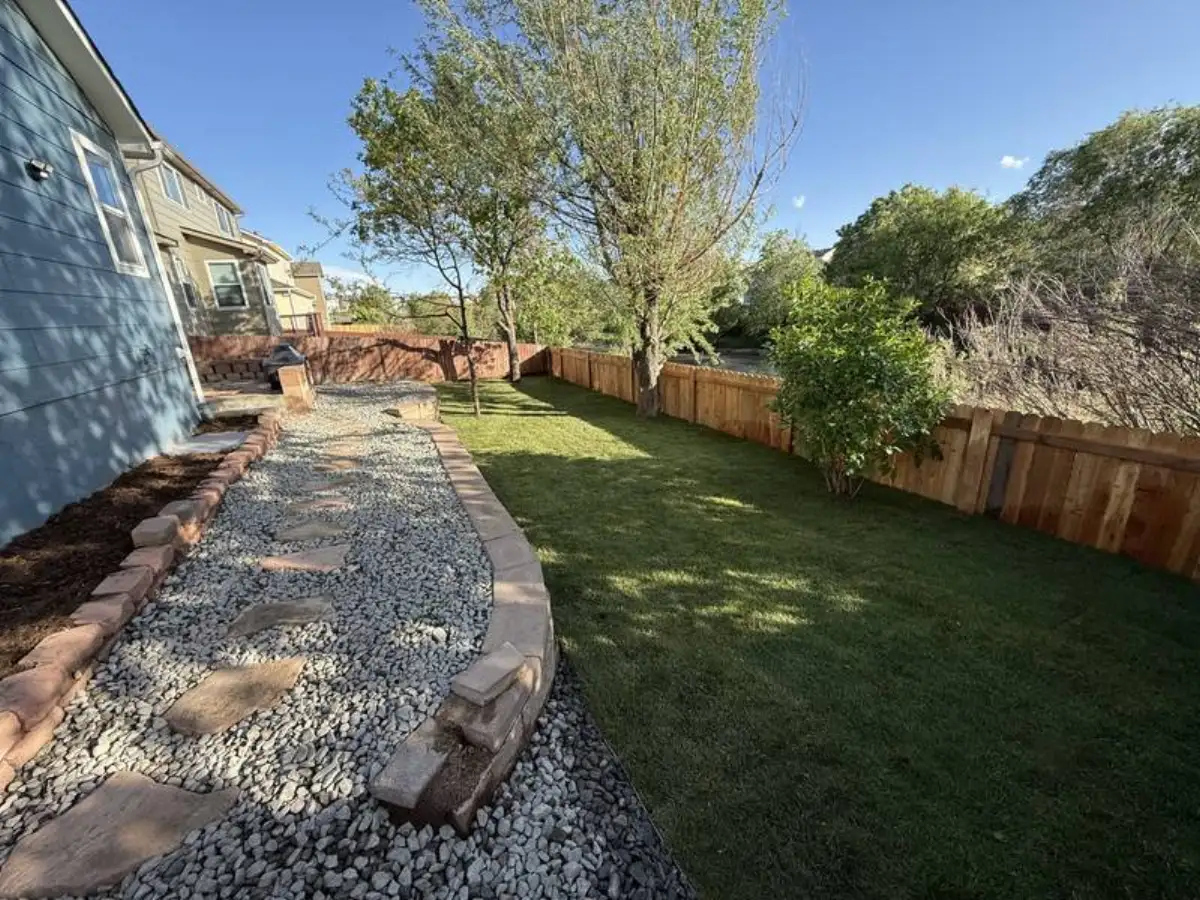
Before booking landscaping, get clear on three things: what the yard needs to do, which site conditions must be addressed, and exactly what each proposal includes. Those answers make budgets easier to discuss and estimates easier to compare.
That is especially useful when planning landscaping in Colorado Springs. Strong sun, wind, clay-heavy soil, sudden storms, winter freeze-thaw movement, slopes, and narrow side-yard access can affect how a project should be prepared and sequenced. The questions below help turn a broad wish list into a workable conversation about your property.
What Should the Yard Do Better?
Begin with the problem, not the product. “We need a place to eat outside” gives a contractor more direction than “we want pavers.” “We need less weekly watering” leads to a different plan than simply asking for more rock. Other priorities may include safer steps, a level play area, better curb appeal, more shade, or a route that stays usable after rain.
List must-haves, preferences, and future ideas separately. If a later patio, shed, planting bed, or outdoor living feature could change grading, access, sleeves, or irrigation, mention it now. The first phase can then avoid creating work that has to be removed later.
What Is a Reasonable Landscaping Budget?
A reasonable budget is connected to a defined result and the actual site. Two yards of similar size can require different work because removal, hauling, equipment access, slope, drainage, soil or base preparation, material quantities, irrigation changes, and connected features are not identical.
Share a realistic priority order and ask what that budget can complete well. If the full plan does not fit, discuss phases rather than quietly removing essential preparation. A coordinated landscape design and installation plan should make it clear which underground, grading, drainage, and base work needs to happen before visible finishes.
What Changes the Cost of Landscaping a Backyard in Colorado?
There is no single useful backyard price without a site visit and a scope. Ask the contractor to explain the cost drivers they see on your property. Common items include demolition, disposal, delivery distance, gate width, staging space, excavation, grade changes, drainage, retaining needs, soil amendments, hardscape base, irrigation zones, plant sizes, and finish materials.
A proposal that includes a lawn, planting, rock, and a retaining wall also needs those elements to meet correctly. Heights, edges, water movement, and installation order can matter as much as the material list. Compare the complete result, not a price per square foot taken out of context.
What Is the Least Expensive Way to Landscape Without Paying Twice?
Spend first on work that protects later phases: necessary grading, drainage, access, base preparation, and irrigation planning. Then simplify where it does not compromise function. A smaller patio, a focused planting palette, purposeful lawn areas, or fewer finish materials may reduce the initial scope while keeping the plan coherent.
Ask which features can be postponed without disturbing completed work. Phasing is most useful when the final layout is considered from the beginning. Skipping preparation is different from reducing scope; the first can create rework, while the second can preserve quality within a smaller project.
Which Colorado Springs Site Conditions Should the Estimate Address?
Walk the property and ask what the contractor noticed about slope, low spots, downspout discharge, runoff paths, existing irrigation, sun and wind exposure, soil condition, and access. The Colorado Springs landscaping service-area guide explains why these conditions need a property-specific response rather than a one-size-fits-all material choice.
For planting and sod, ask how preparation and watering will support establishment. For hardscape, ask how the base and drainage fit the site. If irrigation is part of the plan, confirm whether the existing system can serve new lawn and planting zones or whether irrigation changes are included.
What Should Be Clear in the Written Proposal?
The written scope should describe both the visible result and the supporting work. Where applicable, look for demolition and hauling, layout, grading, drainage, soil or base preparation, material selections and quantities, irrigation work, installation, cleanup, and initial care. Ask what is excluded and how undecided selections or allowances will be handled.
Also discuss approximate sequencing, material staging, homeowner preparation, weather delays, and the process for approving changes. If a detail matters to your decision—such as a finish, edge, cleanup responsibility, aftercare, or warranty term—ask for it in writing.
How Do You Choose a Good Landscaper?
Choose the contractor whose proposal and communication fit the project, not automatically the highest or lowest total. Ask how the recommendation responds to your property, who will answer questions, how schedule changes are communicated, and how additions or field changes are approved.
Compare every bid against the same priorities. One estimate may appear lower because removal, disposal, preparation, irrigation changes, or cleanup is outside the scope. Photos and source-backed reviews can help you assess finished style and customer experience, but the written plan still needs to explain what will happen in your yard.
What Care Will the New Landscape Need?
Ask about care before installation so the finished project matches the time you want to spend maintaining it. New sod, trees, shrubs, and flowers may need close watering attention during establishment. Irrigation schedules may need to change by zone and season. Rock, pavers, walls, lighting, and artificial turf have different inspection and cleaning needs.
Request care instructions that match the installed materials and plants. Clarify which early adjustments are normal, what the homeowner is expected to monitor, and whom to contact if a concern appears.
Frequently Asked Landscaping Questions
What is a reasonable budget for landscaping?
A reasonable landscaping budget starts with a specific result and a prioritized scope. Removal, access, grading, drainage, soil or base preparation, material quantities, irrigation changes, and connected features all affect the proposal, so compare the work included rather than relying on a universal price.
How much does it cost to landscape a backyard in Colorado?
There is no single useful backyard price because properties and project goals differ. A site visit should account for access, demolition, hauling, slope, drainage, preparation, materials, irrigation, planting, and the number of features before a written estimate is prepared.
What is the least expensive way to landscape?
The lowest-cost useful approach is often to solve essential grading, drainage, access, and irrigation needs first, simplify the material palette, and phase optional features. Cutting preparation can create rework, so ask which elements can wait without disturbing completed work later.
How do you choose a good landscaper?
Compare written scopes, ask how each contractor evaluated your property, clarify exclusions and change approvals, and discuss communication, scheduling, cleanup, aftercare, and any warranty terms in writing. Choose based on the complete plan and fit for the project, not price alone.
Start With a Property-Specific Conversation
Bring your priorities, future ideas, known drainage or access concerns, and preferred timing. CN Landscaping can discuss a coordinated residential landscape or the single area of your yard that needs attention now.
Contact CN Landscaping to request a free estimate or call (719) 460-5685 to talk through your Colorado Springs landscaping plans.