
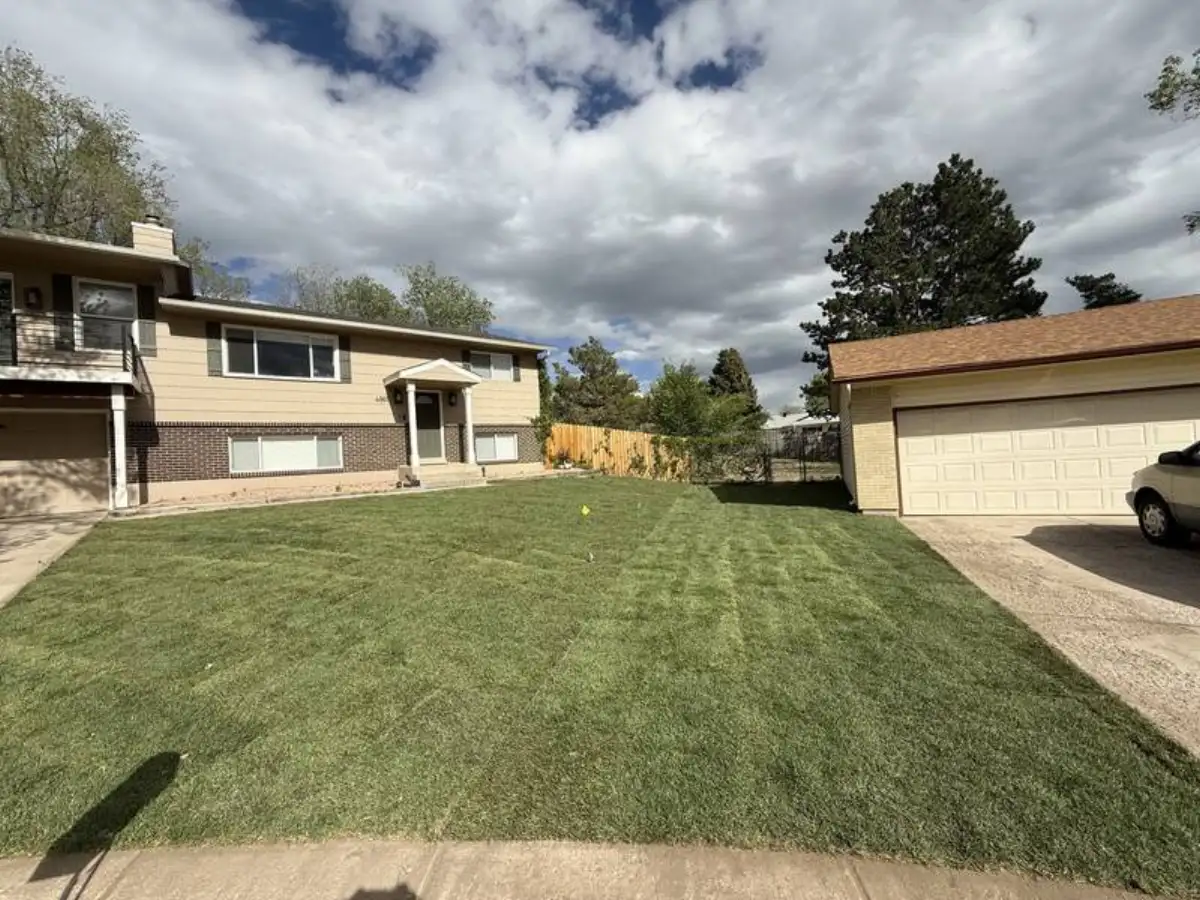
Colorado Springs homeowners use 40 to 60 percent of their total annual water on outdoor irrigation during summer. At 6,000+ feet elevation with just 16 inches of annual rainfall, every gallon matters. These ten irrigation tips will help you water smarter, reduce waste, and keep your lawn and landscape looking their best through the hottest months.
The combination of intense UV, low humidity, constant afternoon winds, and alkaline clay soil makes summer irrigation along the Front Range fundamentally different from watering at sea level. Strategies that work in the Midwest or Southeast can actually damage your landscape here. What follows is specifically tailored to Colorado Springs conditions.
Why Irrigation Is Different at Altitude
Before diving into specific tips, it helps to understand why watering in Colorado Springs presents unique challenges. At 6,035 feet, water evaporates 30 to 50 percent faster than at sea level. The UV index regularly hits 10 or higher in June and July. Afternoon winds averaging 10 to 15 miles per hour blow spray heads off target. And our heavy clay soil absorbs water slowly, causing runoff long before the root zone gets saturated.
These factors mean you need to water more frequently for shorter durations compared to a flat, humid climate. The goal is getting water into the soil, not onto the sidewalk or into the atmosphere.
10 Summer Irrigation Tips for Colorado Springs
1. Water Between 4:00 AM and 9:00 AM
Morning watering is the single most impactful change you can make. Between 4:00 AM and 9:00 AM, wind speeds are at their daily low, temperatures are coolest, and humidity is at its highest point. All three factors reduce evaporation dramatically.
Watering during the afternoon heat (10:00 AM to 6:00 PM) can waste 30 to 50 percent of the water you apply through evaporation alone. Evening watering (after 7:00 PM) keeps grass blades wet overnight, creating conditions for fungal diseases like brown patch and powdery mildew, both of which affect Colorado Springs lawns.
2. Use the Cycle-and-Soak Method
Colorado Springs' clay soil is notorious for rejecting water. If you run a zone for 20 minutes straight, much of that water runs off the surface rather than soaking in. The cycle-and-soak method fixes this.
Instead of one long run, break each zone into two or three shorter cycles with 30 to 60 minutes between them. For example, run a zone for 7 minutes, let it soak for 45 minutes, then run it for another 7 minutes. The first cycle softens the soil surface. The second cycle penetrates deeper because the soil has had time to absorb.
Most modern irrigation controllers have a cycle-and-soak feature built in. If yours does not, you can program the same zone to run at 4:00 AM and again at 5:00 AM.
3. Switch Spray Heads to Rotary Nozzles
Traditional spray heads put out water at 1.5 to 2 inches per hour. That is far faster than clay soil can absorb it, and the fine mist is especially vulnerable to wind drift at altitude. Rotary nozzles (like Hunter MP Rotators or Rain Bird R-VAN) apply water at just 0.4 to 0.6 inches per hour.
The slower application rate means the soil can absorb water as fast as it is applied, eliminating runoff. The larger droplet size from rotary nozzles also resists wind drift. Switching from spray to rotary typically saves 20 to 30 percent on water use with zero loss in coverage quality.
4. Install Drip Irrigation for Beds and Trees
Spray heads are designed for turf. Using them on garden beds, trees and shrubs, or xeriscape plantings wastes a tremendous amount of water. Drip irrigation delivers water directly to the root zone at 90 to 95 percent efficiency versus 50 to 70 percent for spray.
For Colorado Springs landscapes, drip is especially effective because it eliminates wind drift (a constant issue here) and keeps foliage dry, which reduces disease pressure in our intense UV environment. A well-designed drip system paired with a 2 to 3 inch layer of mulch can reduce bed watering needs by 50 percent or more.
5. Upgrade to a Smart Controller
A weather-based smart controller (also called an ET controller) adjusts your watering schedule automatically based on temperature, humidity, wind, and solar radiation. On a cool, overcast day it waters less. During a 95-degree heat wave it waters more. After a thunderstorm it skips the next cycle entirely.
Smart controllers save an average of 15 to 30 percent on outdoor water use. Colorado Springs Utilities has periodically offered rebates on EPA WaterSense-certified controllers, so check their current programs before purchasing. Popular options include the Rachio 3, Hunter Hydrawise, and Rain Bird ESP-TM2.
6. Adjust Your Mowing Height
This is an irrigation tip that does not involve your sprinkler system at all. Raising your mowing height to 3.5 to 4 inches during summer has a direct impact on water needs. Taller grass shades the soil surface, which reduces evaporation and soil temperature. The longer leaf blades also develop deeper root systems that access moisture lower in the soil profile.
Colorado Springs lawns that are mowed at 4 inches typically need 20 to 25 percent less water than lawns cut at 2.5 inches. Never remove more than one-third of the blade height in a single mowing. For more lawn care strategies that reduce water demand, see our lawn care service page.
7. Audit Your System for Leaks and Gaps
A single broken spray head can waste 10 to 25 gallons per minute. Over a 15-minute run cycle, that is 150 to 375 gallons wasted in one session. Multiply that by three sessions per week across a Colorado Springs summer and you are looking at thousands of gallons and hundreds of dollars lost.
Run each zone manually and walk the entire property while it operates. Look for heads that are not popping up fully, heads spraying onto pavement, broken pipes causing bubbling or flooding, and areas where coverage does not overlap properly. A professional irrigation audit catches issues you might miss, including pressure problems and valve leaks underground.
8. Know Your Zones and Their Needs
Not every part of your yard needs the same amount of water. South-facing slopes dry out faster than flat, shaded areas. Kentucky Bluegrass turf needs more water than native grass areas or rock landscaping beds. Clay-heavy soil in one corner might drain completely differently from the amended soil in your garden beds.
Group plantings with similar water needs on the same irrigation zone. This concept, called hydrozoning, is the foundation of efficient irrigation design. If your current system waters everything the same way, you are either overwatering some areas or underwatering others, likely both.
9. Watch for Signs of Overwatering
Overwatering is actually more common (and more damaging) than underwatering in Colorado Springs. Signs include a spongy or mushy feeling when walking on the lawn, mushrooms or algae growth, yellowing grass despite consistent watering, a persistent musty smell near landscape beds, and increased weed pressure (especially crabgrass and nutsedge).
Overwatering promotes shallow root growth, making your lawn more vulnerable to heat stress, not less. It also creates ideal conditions for grubs and other lawn pests. If your grass bounces back within an hour of being walked on, it has enough moisture. If footprints remain visible for 30 minutes or more, it is time to water.
10. Consider Reducing Turf and Increasing Xeriscape
The most effective long-term irrigation strategy is reducing the amount of landscape that needs heavy watering. Every 500 square feet of Kentucky Bluegrass converted to drought-tolerant xeriscaping saves roughly 7,500 gallons of water per summer in Colorado Springs.
This does not mean replacing your entire lawn with gravel. Strategic conversion of problem areas, slopes, side yards, and boulevard strips with native grasses, perennials, and decorative rock creates a landscape that uses less water while adding visual interest. A professional landscape design can identify the best areas to convert for maximum water savings.
Summer Watering Schedule for Colorado Springs
Here is a general summer watering framework for Colorado Springs, assuming Kentucky Bluegrass on clay soil:
- June: 2-3 sessions per week, 1 to 1.25 inches total per week
- July (peak heat): 3 sessions per week, 1.25 to 1.5 inches total per week
- August: 2-3 sessions per week, 1 to 1.25 inches total per week
- After any rainfall over 0.25 inches: Skip the next scheduled session
These are starting points. Sandy soils in parts of Falcon and Black Forest drain faster and may need more frequent but shorter sessions. Heavy clay in the Colorado Springs city center retains moisture longer and benefits from the cycle-and-soak approach.
Frequently Asked Questions
How often should I water my lawn in Colorado Springs during summer?
Most Colorado Springs lawns need 2 to 3 deep watering sessions per week during summer rather than daily shallow watering. Water 1 to 1.5 inches per week total, adjusting based on rainfall. Kentucky Bluegrass typically needs 3 sessions while native grasses like Buffalo Grass may only need 1 session per week.
What is the best time to water your lawn in Colorado Springs?
Water between 4:00 AM and 9:00 AM. Morning watering minimizes evaporation (which is 30 to 50 percent higher at altitude) and allows grass blades to dry before nightfall, reducing disease risk. Avoid watering between 10:00 AM and 6:00 PM when evaporation rates peak.
How do I know if my sprinkler system is wasting water?
Signs include water running onto sidewalks or streets (overspraying), visible misting from heads (too high pressure), brown patches despite regular watering (coverage gaps), and puddles forming before the zone finishes (runoff from clay soil). A professional irrigation audit can identify these issues and typically saves homeowners 15 to 30 percent on summer water bills.
Should I use drip irrigation or sprinklers for my garden beds?
Drip irrigation is significantly more efficient for garden beds, delivering water directly to root zones with 90 to 95 percent efficiency compared to 50 to 70 percent for spray heads. This matters especially at 6,000 feet where low humidity and constant wind increase spray evaporation. Use drip for beds, trees, and shrubs, and rotary nozzles for turf areas.
Get Your Irrigation System Ready for Summer
CN Landscaping installs, repairs, and optimizes irrigation systems throughout Colorado Springs, Monument, Fountain, Falcon, Black Forest, Larkspur, and Perry Park. Whether you need a full system audit, a smart controller upgrade, or drip irrigation added to your beds, we design solutions specifically for Front Range conditions.
Call (719) 460-5685 or request a free estimate to schedule your summer irrigation assessment.